
Google Just Completely Rewired the Internet.

Here is what I/O 2026 means for your business.
We spent yesterday digesting all the announcements from Google I/O, and honestly, the shift we’re about to see in marketing is massive. We are officially moving past basic chatbots and entering the era of autonomous AI agents.
If you're running a brand or working in digital marketing, here is what you actually need to care about from the updates:
1. Video production just lost its biggest bottleneck (Gemini Omni)
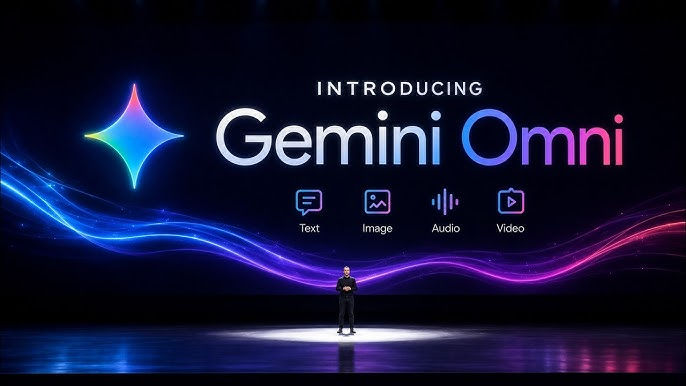
Google introduced a new model called Gemini Omni that actually understands real-world physics (like gravity and motion). You can generate and edit complex, fluid videos just by typing. The barrier to entry for high-end visual campaigns is practically gone. Production timelines and budgets are going to shrink dramatically.
2. The point of sale is moving to the search bar
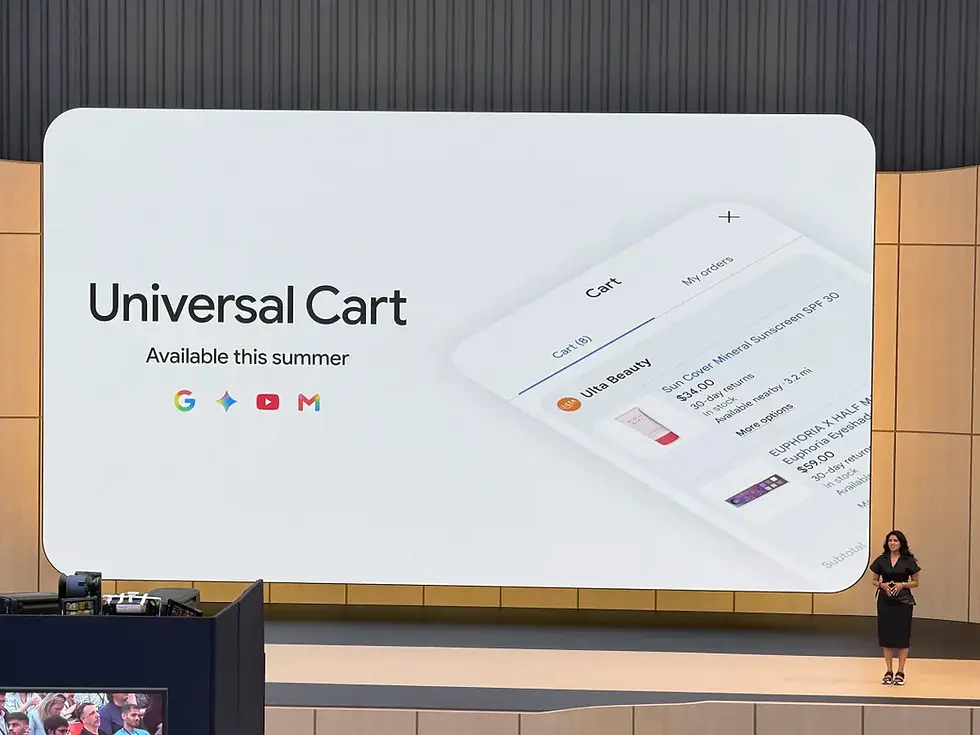
Google Search is getting a "Universal Cart" and custom AI-generated interfaces. This means users can compare products and check out without ever clicking through to a brand's actual website. Traditional SEO is going to change fast - if your content isn't optimized for these zero-click, AI-driven searches, you're going to lose conversions.
3. Hyper-personalization is the new baseline (Personal Intelligence)
This is a huge one. Google is rolling out "Personal Intelligence" globally for free, letting users securely connect their Gmail, Google Photos, and Calendar directly to their Search experience. AI isn’t just pulling from the web anymore; it’s factoring in the user’s exact personal context. As marketers, we have to realize that the way people discover and filter information is about to become highly individualized.

4. We basically get 24/7 AI employees now (Gemini Spark & 3.5 Flash)
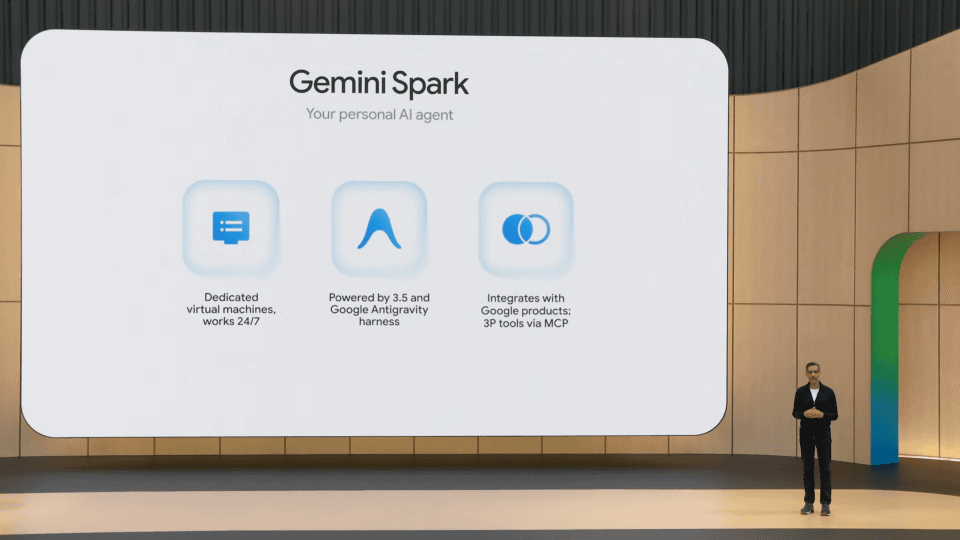
Between Gemini Spark (a background agent that handles complex, multi-step tasks across tools like Asana and Adobe) and the new 3.5 Flash model (which is 4x faster), project management is going on autopilot. The heavy lifting of coordinating campaigns and crunching data just got automated, which frees up human teams to focus on actual creative strategy.
The takeaway? AI is no longer just a gimmick for writing rough drafts or brainstorming. It’s becoming the underlying infrastructure for how consumers shop and how businesses operate.
The brands that win this year won’t just be the ones "using AI" - they’ll be the ones integrating these workflows into their core strategy.
We’re already mapping out how to leverage this for our clients at Brand To Bytes.
What do you guys think? Which of these feels like the biggest disruptor for your industry?


Comments